
This site uses affiliate links and I may earn a commission at no extra cost to you.
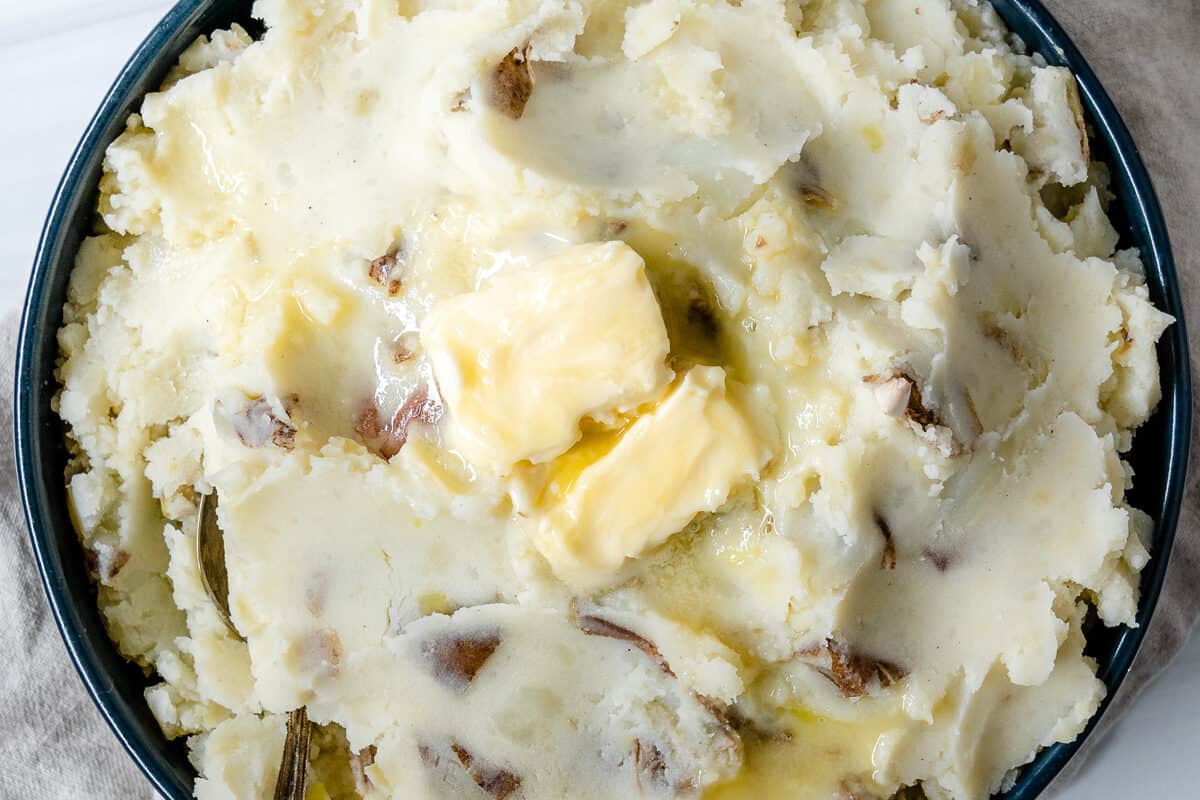
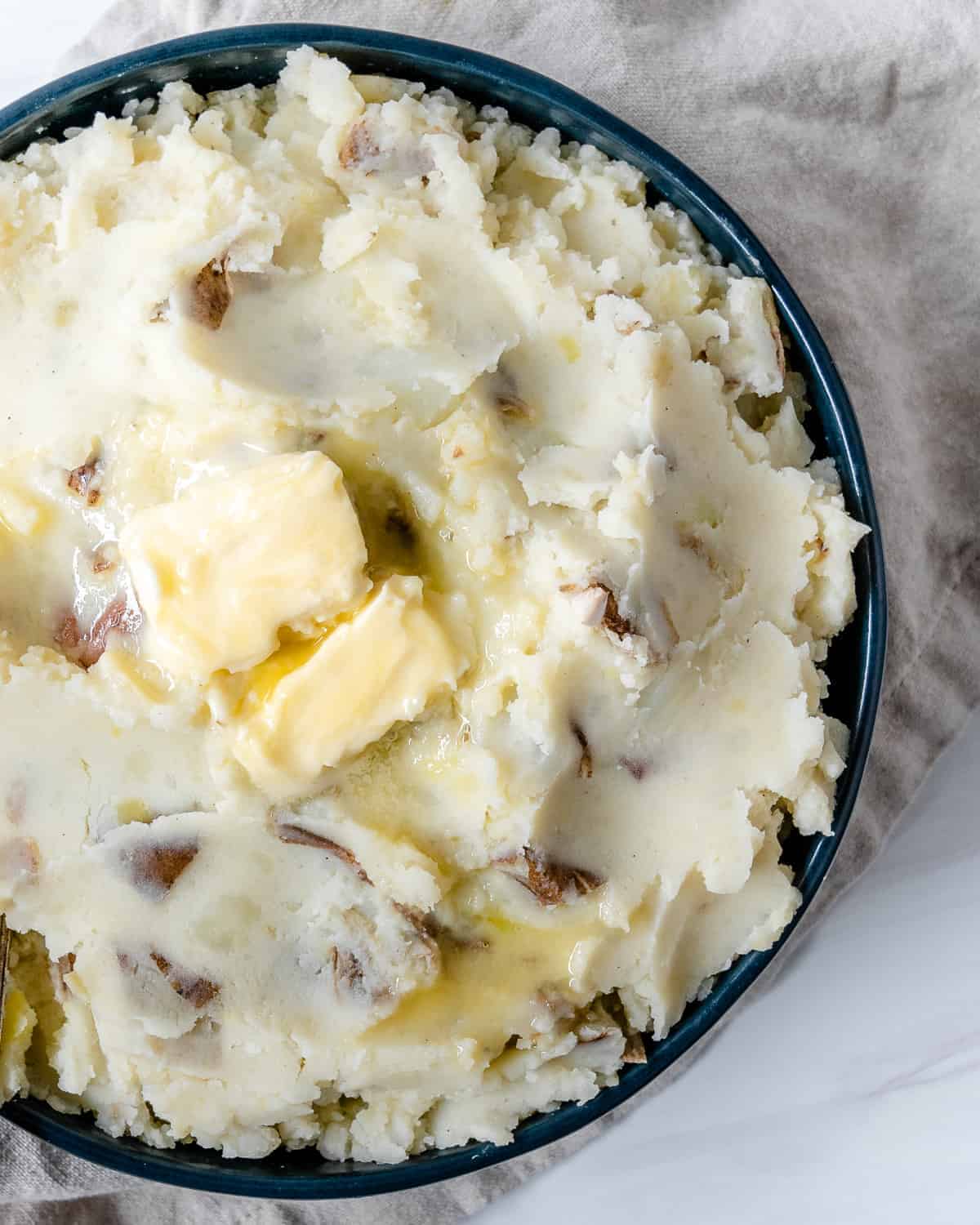
The BEST vegan mashed potatoes recipes is here! No matter what you like: smooth, creamy, with or without vegan butter or plant-based milk, with veggies, etc., I’ve included them all. You just need a handful of ingredients and only 30 minutes for the perfect dairy-free side dish for Thanksgiving, Christmas, and comforting plant-based dinners!
Why You’ll Love This Vegan Mashed Potatoes Recipe!

Want to save this recipe?
There’s never a wrong time of year to enjoy what’s often considered a Thanksgiving and Christmas staple: creamy vegan mashed potatoes. With this ultimate base recipe for vegan mashed potatoes, you’ll have so many options to enjoy them for whatever occasion you choose! I’ve got you covered with tons of ways to mix it up no matter what you’re in the mood for. Skin-on, mashed potatoes without vegan butter, with or without plant milk-free, creamy, rich, ‘cheezy’, veggie-packed, etc.
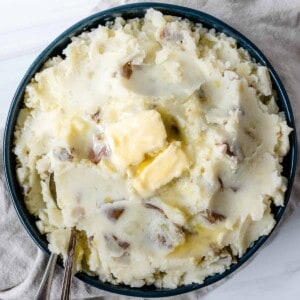
My favorite version is creamy skin-on vegan garlic mashed potatoes (also included below). But any way you prep them, a big bowl of thick, fluffy, creamy vegan mashed potatoes is a delicious, budget-friendly win! It requires just a handful of fairly frugal ingredients. Plus, it’s filling, comforting, and pairs with tons of dishes (starting with easy vegan gravy or this savory mushroom gravy)!
The Ingredients
You only need a handful of ingredients for the ‘base’ recipe that’s ready to turn into the best vegan mashed potatoes you’ve ever eaten!

Other Simple Add-ins & Recipe Variations
- Herbs: You can use fresh herbs like rosemary, thyme, and sage to infuse the vegan milk with extra flavor. Alternatively, other herbs work perfectly as a mashed potato garnish: chives, scallions, parsley, etc.
- Veggie mashed potatoes: There are several veggies you could add to the dairy-free mashed potatoes. These include peas, broccoli, carrots, shredded spinach/kale/cabbage, corn, etc.
- Vegan cheese: There are a couple of ways to add dairy-free cheese to your vegan mashed potatoes. First, you can mix some plant-based cream cheese into the potatoes for a creamier flavor. Second, you could add some vegan parmesan or a ‘sharp’ cheddar-style dairy-free cheese (something melty). Alternatively, just add some nutritional yeast (nutritional yeast guide here).
- Other seasonings: There are several seasonings you can experiment with when finding your perfect vegan mashed potatoes. Try cumin, chili, paprika, onion powder, etc.
- Pesto: Stirring a little pesto into your mash is a simple way to pack in tons of flavor.
- Parsnip and potato mash (aka root veggie mashed potatoes): Swap half the potatoes for parsnips instead. They will add a natural sweetness to the dish and still pair well with plenty of herbs and seasonings.
- Lower–carb: If you want to reduce the carbs in this side dish without eliminating the potato entirely, you can swap out 1/3 of the potatoes for cooked cauliflower instead. You also might like this Vegan Mashed Cauliflower dish!
How to Make Vegan Mashed Potatoes?
Keep scrolling to the recipe card for the complete list of ingredients and recipe instructions.
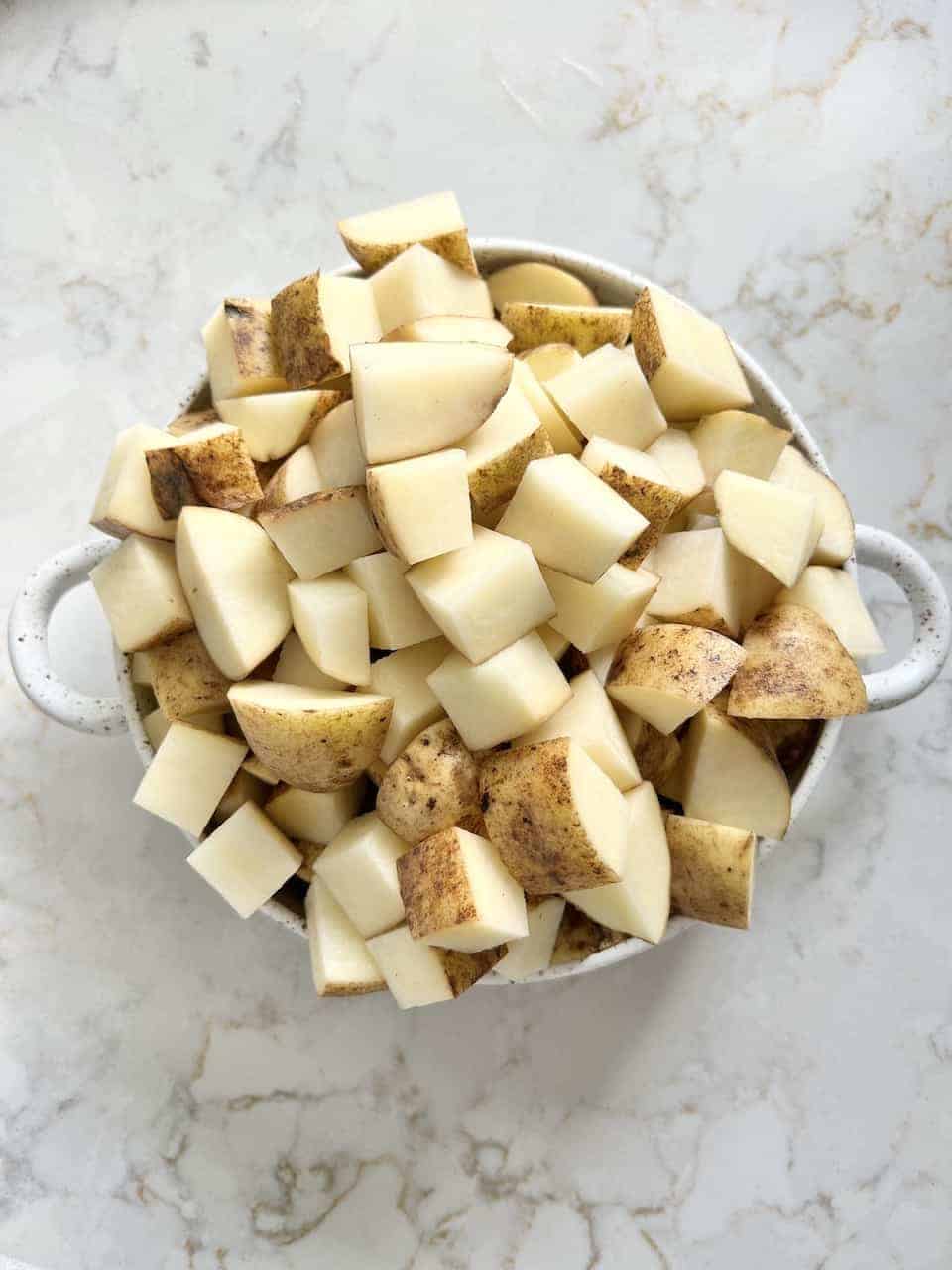
Step 1: First, it’s time to cook the potatoes. Start by washing the potatoes, then chop them into 1-inch pieces. I left the skin on, but peel them if you prefer smoother, creamy vegan mashed potatoes.
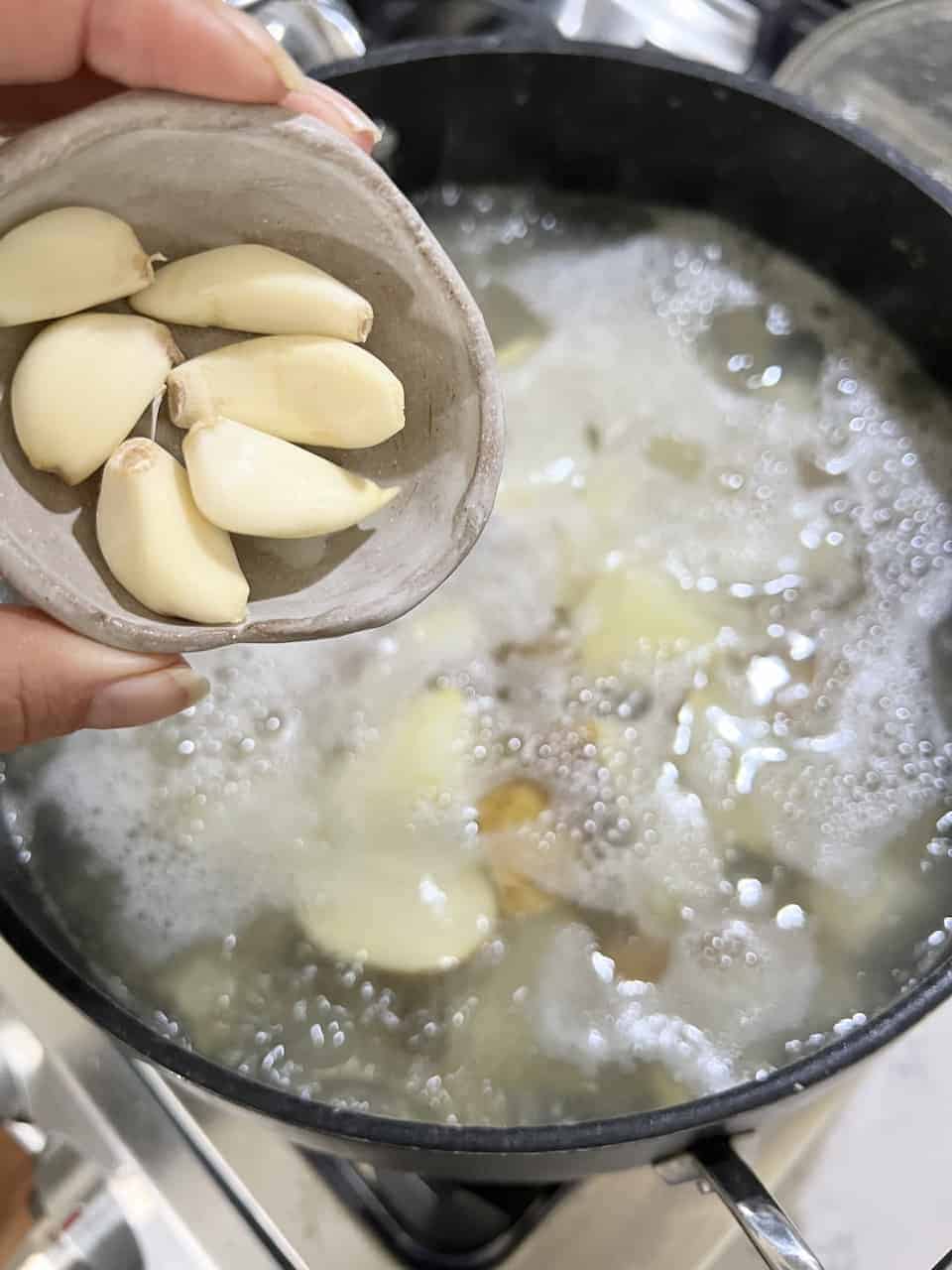
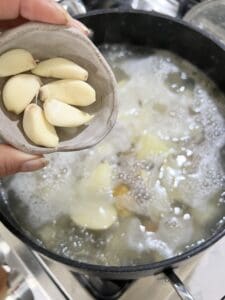
Step 2: Next, add the chopped potatoes and garlic cloves to a large saucepan covered in salted water. Bring to a boil over medium-high heat, then reduce to a simmer and cook for 20-25 minutes, or until the potatoes are fork-tender.

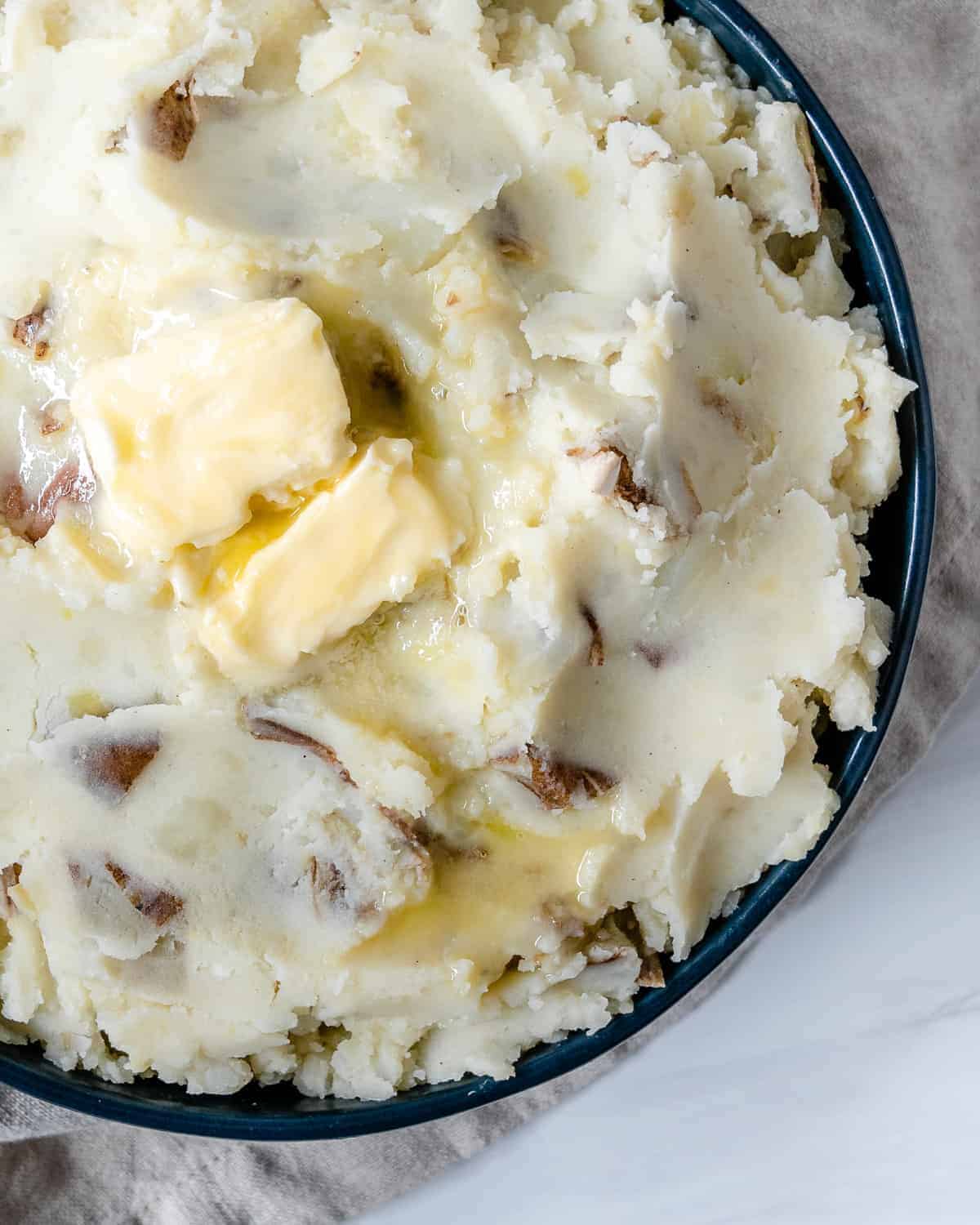
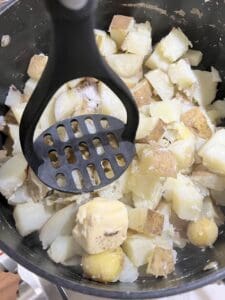
Step 3: Once cooked, drain the water from the potatoes. Then place the potatoes and garlic back in the pot and use either a potato ricer, potato masher, or even fork to mash the potatoes.
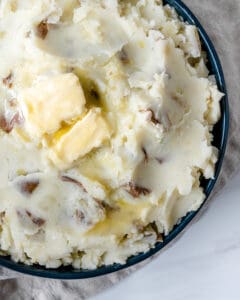
Step 4: While mashing, incorporate the plant-based milk, plant-based butter, and salt and pepper until you achieve your desired consistency and flavor. Finally, enjoy, optionally topped with any toppings (like black pepper, fresh herbs, and extra vegan butter) of your choice!
For smoother/creamier vegan garlic mashed potatoes, add extra plant-based milk and/or vegan butter. The amount used can also vary on how ‘wet’ your potatoes are.
FAQs
Honestly, it’s up to you. Keeping the skin will make for a slightly textured mash with visible bits of peel. Peels also add extra nutrients. If you prefer a smooth and creamy mashed potato, peel the potatoes. You can save the peels for vegetable stock or drizzle with a little oil and seasoning and bake until crispy.
I don’t encourage machine mashing for mashed potatoes. Potatoes can develop a gummy texture when overworked (which is easy to do with machines). However, when making creamed potatoes, you could use a hand-held mixer (and be careful not to overwork the potatoes).
This method is slightly controversial. However, if you want to avoid plant-based milk, you can save some of the starchy cooking water from the potatoes and use that, instead. It can help get your mashed potatoes to the correct consistency. Just be aware that they won’t be as creamy and will likely require extra seasoning. You could add extra flavor by adding some stock powder to the liquid. You could also use regular veg stock in place of plant-based milk (which tastes delicious!) for yummy no-milk mashed potatoes!
You can still enjoy wonderfully creamy mashed potatoes without vegan butter. Instead, you could use a little olive oil or vegan mayonnaise. Alternatively, omit the ‘fat’ entirely and use extra plant-based milk to bring the mash to the creamy consistency.
I recommend using ½ pound of potatoes (around 1 ½-2 russet potatoes) per person when serving as a side. When making a large dish for the holidays and other events, I recommend adding an extra 2-3 pounds. Bonus: leftover mashed potatoes keep for several days.
Toni’s Recipe Tips
- Potato ricer vs. masher vs. fork: The tool you use will affect the texture of the mashed potatoes. A ricer will create a wonderfully even texture that’s exceptionally smooth and fluffy but also light. Next, you can use a masher as much or as little as preferred but it usually results in slightly lumpier and denser potatoes than the ricer option. Finally, a fork will provide the chunkiest, thickest texture. For creamed potatoes, you could use a mixer, but be careful not to overwork the ‘taters.
- For super smooth potato puree: Press the mashed potatoes through a fine-mesh sieve (using a spatula to help press it through the bottom of the sieve into your bowl). This way, the potato will be super-smooth (though it will also take a long time and lots of effort. Be warned… or give the task to someone else!)
- When making LOTS of mashed potatoes: It’s best to transfer your chopped potatoes to the pan of water (or a water-filled bowl) immediately. Otherwise, they’ll oxidize and discolor.
- Use warm plant-based milk: While not 100% necessary, warming the milk before adding it to the potatoes will help keep the entire dish warm.
- For extra flavor: You can infuse the vegan milk with herbs (rosemary is my favorite). Add a couple of sprigs of rosemary to the vegan milk in a small pot. Bring to a simmer and then allow to simmer for several minutes. Remove the herbs before adding the plant-based milk to the potatoes.
- To avoid ‘soupy’ potatoes: After draining the potatoes, you can return the pan to the heat. Then, stir it constantly for several minutes, to remove any excess water (until the spuds are dry). Then continue with the mashing.
- Experiment with dairy-free milk: You may find that you aren’t happy with the flavor the dairy-free milk imparts in the mash. So always test a new kind of milk with a small amount of mash as a ‘test.’
Storage Instructions
Fridge: If you’re wondering how long do mashed potatoes last in the fridge? Once cooled, you can store the leftover vegan mashed potatoes in an airtight container in the fridge for up to four days.
Freezer: You can also freeze the leftover vegan garlic mashed potatoes (or variation of your choice) for up to three months. Then allow to thaw in the refrigerator overnight before reheating.
Reheat: To reheat mashed potatoes, either use a microwave or the stovetop. Add a splash of extra dairy-free milk and/or plant-based butter to bring it back to your desired consistency before serving.
Serving Suggestions
These dairy-free mashed potatoes are an all-purpose side dish. It’s almost impossible to list all the ways that you could enjoy them, but some of my favorites include:
- Holiday potatoes: Serve as part of a Thanksgiving menu (or Christmas) with your favorite vegan gravy (I love this vegan mushroom gravy). Here’s some more favorite vegan Thanksgiving recipes.
- Roast: Enjoy as part of your plant-based roast dinner with sauteed asparagus, a rainbow salad, and easy dinner rolls.
- BBQ: Mashed potatoes are a classic side for BBQ favorites like Grilled tofu steak or BBQ seitan, or BBQ jackfruit.
- Comforting Weeknight Dinner: Serve with hearty vegan sausages, vegan lentil meatballs, or a lentil ‘meat’loaf.
- Stew: Enjoy alongside stew, like this vegan chickpea stew, eggplant stew, or kidney bean vegetable stew.
- Shepherd’s Pie: Make them to top this delicious shepherd’s pie.
- Pie: Speaking of pie, make a favorite pie for dessert: an apple pear pie, a chocolate pumpkin pie, or a strawberry blueberry pie.
- Leftovers: You can also use leftover dairy-free mashed potatoes to make other dishes. E.g. gnocchi, dumplings, potato pancakes, or add to bread. You can also make ‘bubble and squeak,’ which combines the leftover mashed potato and veggies from a roast dinner and pan-fries it into a kind of thick ‘pancake’.
More Favorite Potato Recipes to Try
Vegan Side Dishes
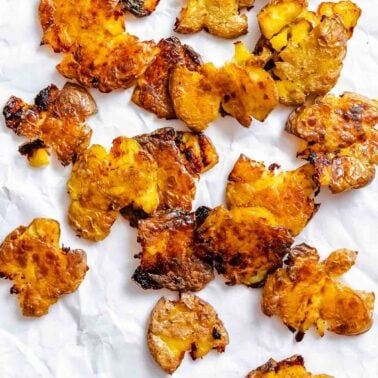
Crispy Smashed Potatoes
Vegan Side Dishes
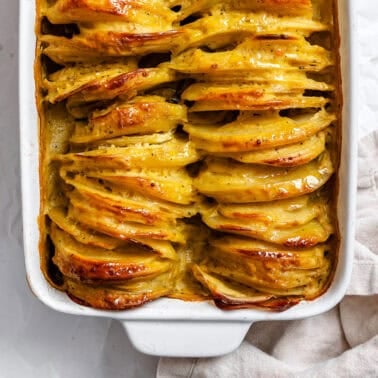
Vegan Scalloped Potatoes
Vegan Side Dishes
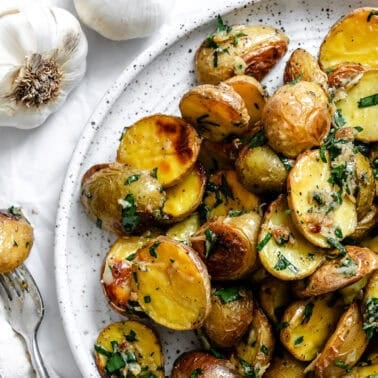
Garlic Roasted Baby Potatoes
Vegan Appetizers
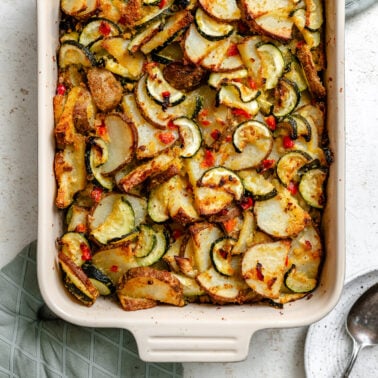
Zucchini Potato Bake
If you tried this vegan mashed potatoes recipe or any other recipe on my blog, please leave a 🌟 star rating and let me know how it went in the 📝 comments below. Thanks!

If you’re loving my recipes and would like a more comprehensive resource, check out my cookbooks!

The Best Vegan Mashed Potatoes (+ Variations!)
Want to save this recipe?
Video
Ingredients
- 4 pounds russet potatoes washed and cut into 1-inch pieces
- 5 garlic cloves
- 1 cup unflavored, unsweetened plant-based milk
- ¼ cup vegan butter
- 1 ½ teaspoon salt
- ½ teaspoon pepper
Instructions
- In a large pot over medium-high heat, add 1-inch potatoes and whole garlic cloves, and completely submerge them in water. Bring to a boil and cook for 25 minutes or until potatoes are completely tender.

- When potatoes are completely tender, drain out the water with a colander. Place the potatoes and garlic back into the pot, add plant-based milk, vegan butter, salt, and pepper.
- Mash potatoes and garlic with a potato masher or a large and sturdy fork until you reach your desired consistency.

Notes
- Potato ricer vs. masher vs. fork: The tool you use will affect the texture of the mashed potatoes. A ricer will create a wonderfully even texture that’s exceptionally smooth and fluffy but also light. Next, you can use a masher as much or as little as preferred but it usually results in slightly lumpier and denser potatoes than the ricer option. Finally, a fork will provide the chunkiest, thickest texture. For creamed potatoes, you could use a mixer, but be careful not to overwork the ‘taters.
- For super smooth potato puree: Press the mashed potatoes through a fine-mesh sieve (using a spatula to help press it through the bottom of the sieve into your bowl). This way, the potato will be super-smooth (though it will also take a long time and lots of effort. Be warned… or give the task to someone else!)
- When making LOTS of mashed potatoes: It’s best to transfer your chopped potatoes to the pan of water (or a water-filled bowl) immediately. Otherwise, they’ll oxidize and discolor.
- Use warm plant-based milk: While not 100% necessary, warming the milk before adding it to the potatoes will help keep the entire dish warm.
- For extra flavor: You can infuse the vegan milk with herbs (rosemary is my favorite). Add a couple of sprigs of rosemary to the vegan milk in a small pot. Bring to a simmer and then allow to simmer for several minutes. Remove the herbs before adding the plant-based milk to the potatoes.
- To avoid ‘soupy’ potatoes: After draining the potatoes, you can return the pan to the heat, stirring constantly for several minutes, to remove any excess water (until the spuds are dry). Then continue with the mashing.
- Experiment with dairy-free milk: You may find that you aren’t happy with the flavor the dairy-free milk imparts in the mash. So always test a new kind of milk with a small amount of mash as a ‘test.’









FTVE garlic cloves? I don’t use any garlic in mashed potatoes. As a matter of fact, I don’t use any garlic. I hate the taste and most of all the smell, yuk!!! I grew up in a household where my grandmother was the cook. She never used garlic. Whenever I see a recipe that calls for garlic, I just leave it out. Everything I cook is without garlic and it tastes just as good. I don’t understand what the obsession with garlic is. Garlic is not native to North America. It was introduced by the Spanish explorer in the 1500s. Later by French and Portuguese explorers. They should have left in Europe!!!
Wow… That is some strong sentiment about garlic. What I like about these recipes is that we can all modify to our tastes and what’s in the pantry. I hope you had a great Thanksgiving if you celebrate.